As you can see from my blog, the bulk of my photography is focused on landscapes. In October a family member asked me to do some product photography for a catalog they manage for their employer. I’ve done some photography pro bono for family and friends in the past, mostly portraits and grad photos, but this would be my first product shoot for a business.
Planning for this product shoot had some difficulties. I had never formally done product photography before other than some simple shots of products I’ve sold on eBay. Also, I didn’t know exactly what I was shooting or how many products. I knew it would be industrial products that could fit on a table (more on that later) and the layout for the images was going to be a simple white background for publishing in a pdf catalog. Most of their current catalog images were not high definition and they were looking to improve the detail in their images moving forward.
I did some basic research on product photography, setting up a simple studio I could take with me which consisted of a roll of bright white heavy paper which measured about 48in wide. I also purchased 2 small light stands and some LED lights that had some basic features to adjust brightness and white balance. I had an existing reflector and some whiteboard to use to bounce light if needed. A roll of painters tape to tape the background to a wall rounded out my traveling studio.
I discussed the project with one of my photography mentors and he said my biggest challenge would be lighting and white balance, getting consistent light across the background, particularly with the challenge of industrial lighting in the environment. Metering off the background and setting a custom white balance was his recommendation.
When I arrived to do the shoot , we discussed trying to find a place to shoot onsite that didn’t have very bright florescent lights, difficult in an industrial setting, but we used a back room location that minimized overhead lights. We had a long table I used to set up the roll of white paper for the background and my light stands.
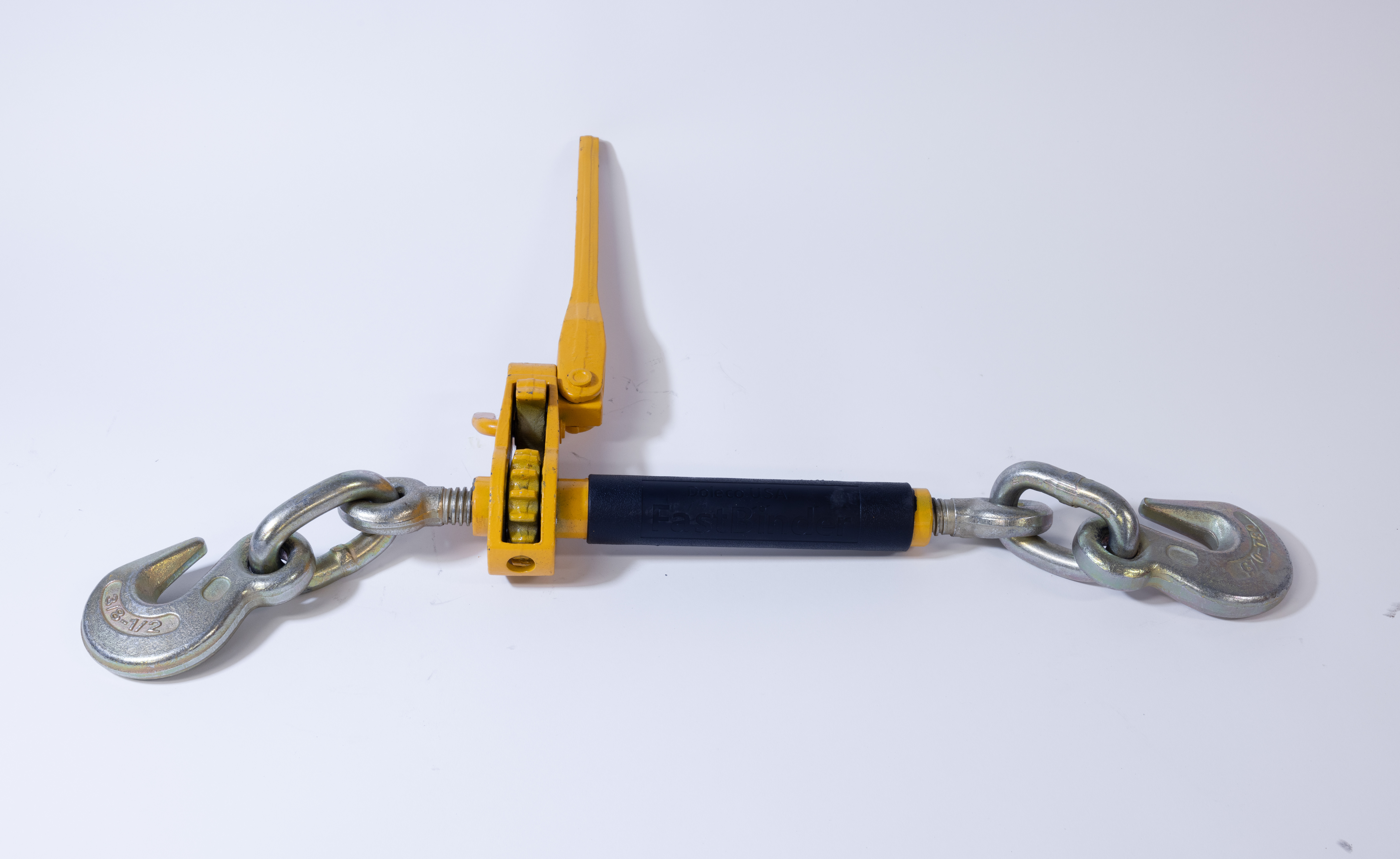
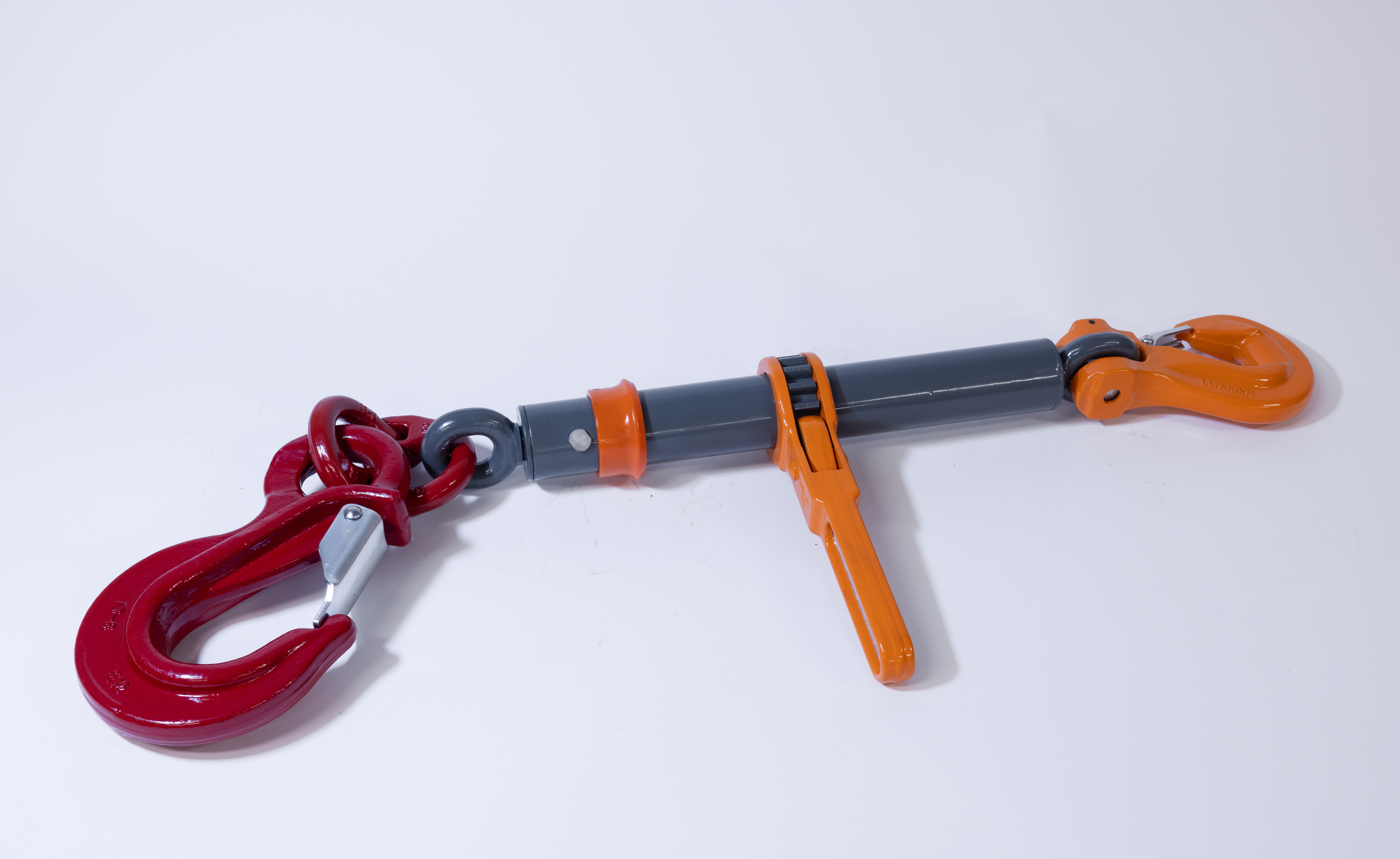
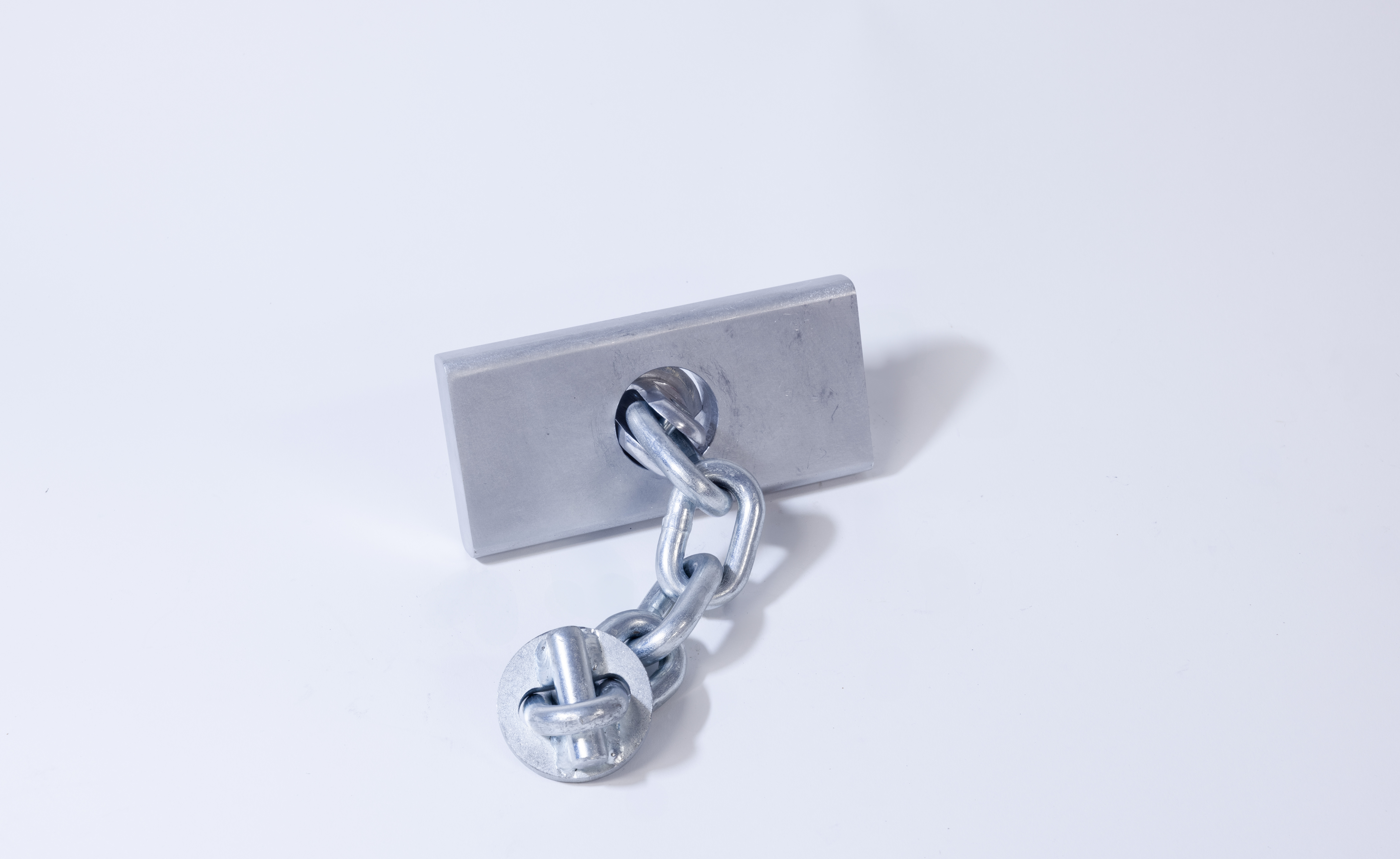
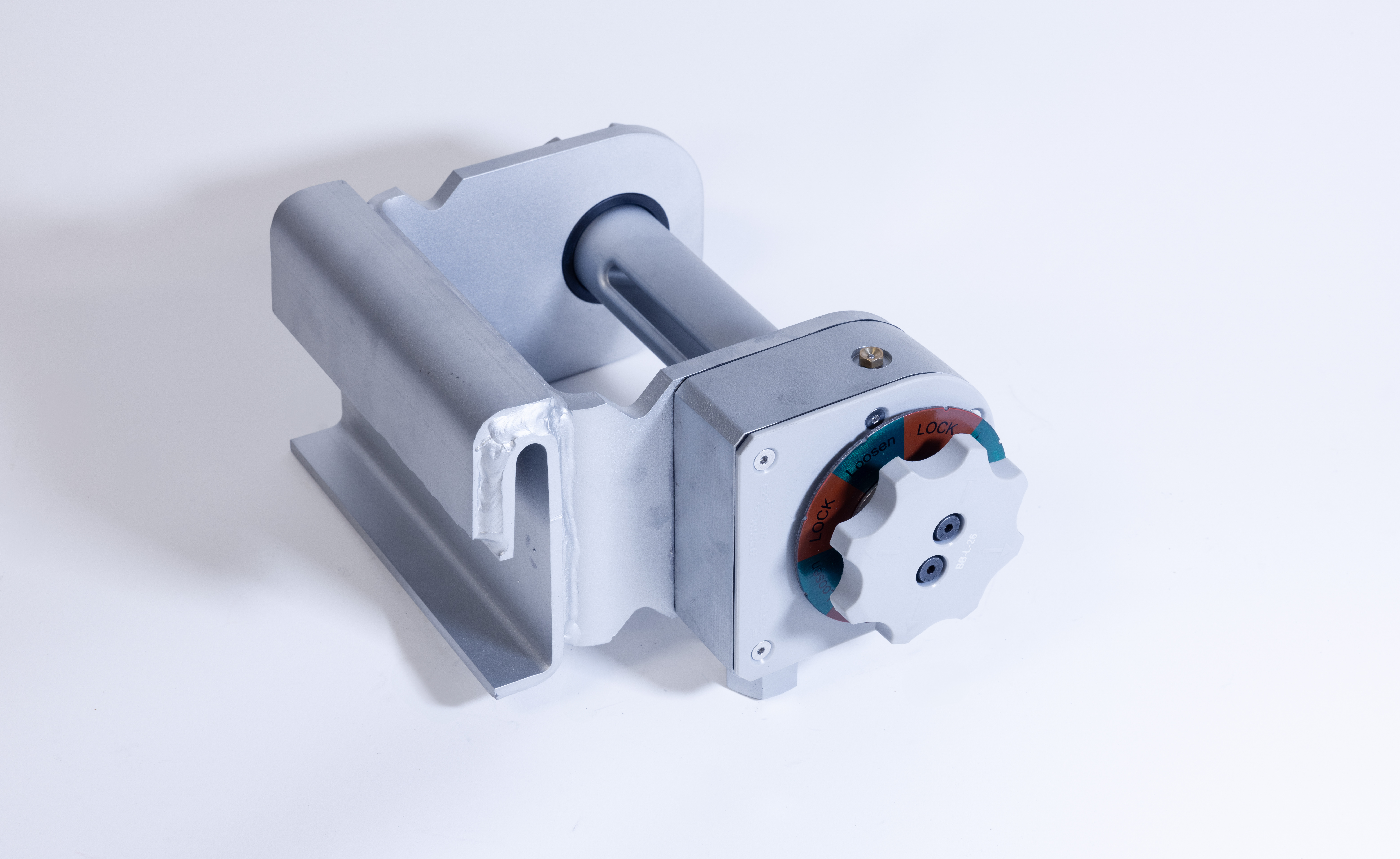
The most challenging part of the shoot was the products themselves. Being industrial products some of them I’d never seen before as I hadn’t worked in an industrial setting since I was in college. The products were mostly heavy steel and alloy products used in shipping to tie down heavy loads on trucks, the stuff you see holding down large loads on 18 wheelers on the highway. When I arrived, there was a pallet full of products to shoot. A few of them were quite large, but most were small and pretty easy to shoot.
A few things I learned with this shoot:
Getting feedback along the way from your client is important. My brother-in-law was helping cataloging the products I shot and giving feedback on arrangement, angles, and suggestions on some of the large products.
Arranging products at a consistent angle is important. I reviewed their current catalog and arranged items at a similar angle. The challenge came when the size of the items grew larger and less consistent with past products. I couldn’t arrange all products at the same angle. I also had to go back and reshoot a few products as the angle was slightly off after reviewing some images. It didn’t need to be precise, but a few were at too hard an angle and needed a reshoot.
Keeping the background clean was a challenge. These were industrial products, most where not exactly clean, some having grease on them or dirt from being stored in the warehouse. I had to work to clean a few of the items before we set up some of the shoots. Some of this dirtiness wasn’t apparent until we reviewed the images in closer detail. The stark white background made it more obvious. Also keeping the paper background clean was nearly impossible. For many products there was no way to avoid getting dark smudges on the background. I had to do some spot removal in the final images. I had to pull the paper down and replace the whole background at least once but we could have done it more. This was something I anticipated which is why I bought a roll of paper for the background.
Consistent lighting and proper exposure is challenging. This is an area I’d likely do more study if I do a shoot like this again. I had some inconsistent light cast across the background, so my lighting needed more work for sure.
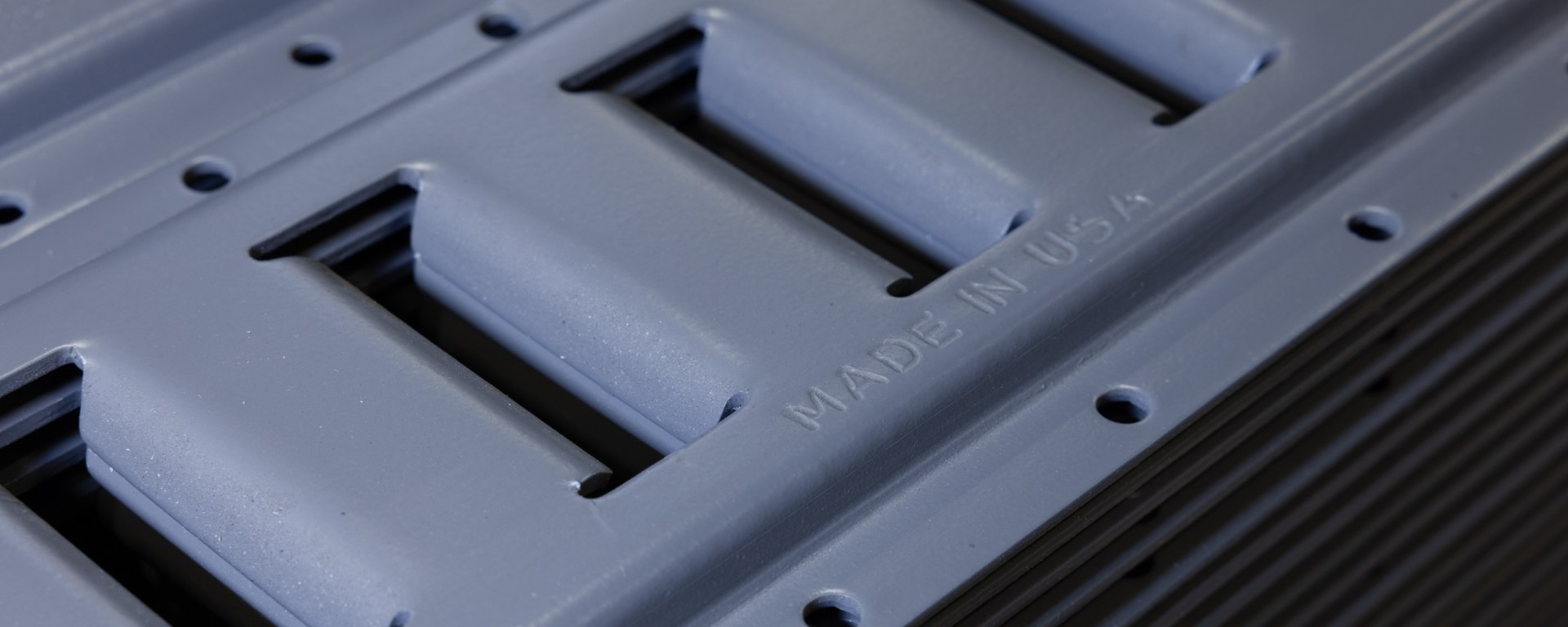
Be willing to improvise. The final item I needed to shoot was a large flat metal item used to anchor down items to the inside of a truck. I couldn’t put these on a table with my studio background, I had to pick up my tripod, camera and light stands and take them out into a warehouse and shoot these items stacked and banded on a large pallet. For this reason, I had to do a closeup shot of part of the item. We chose to shoot the “made in USA” stamped into the side just to give the image some more visual interest since we couldn’t include the whole item.
My biggest takeaway from this experience is that product photography is more challenging than I expected. I’m very familiar with the challenges of nature and landscape photography, but working with artificial light and shadows was new to me. Asking lots of questions about the size and types of products to be shoot can help you prepare for the shoot. They were pleased with the images overall. I did need to do some editing as exposure was under exposed vs what they wanted so I just did some quick exposure adjustments and synced them across all the images in Lightroom. It only took a few minutes with that adjustment, some cropping, and the export.
In the end I took over 80 images of roughly 40 products. The whole shoot took about 3 hours not including setting up the background.
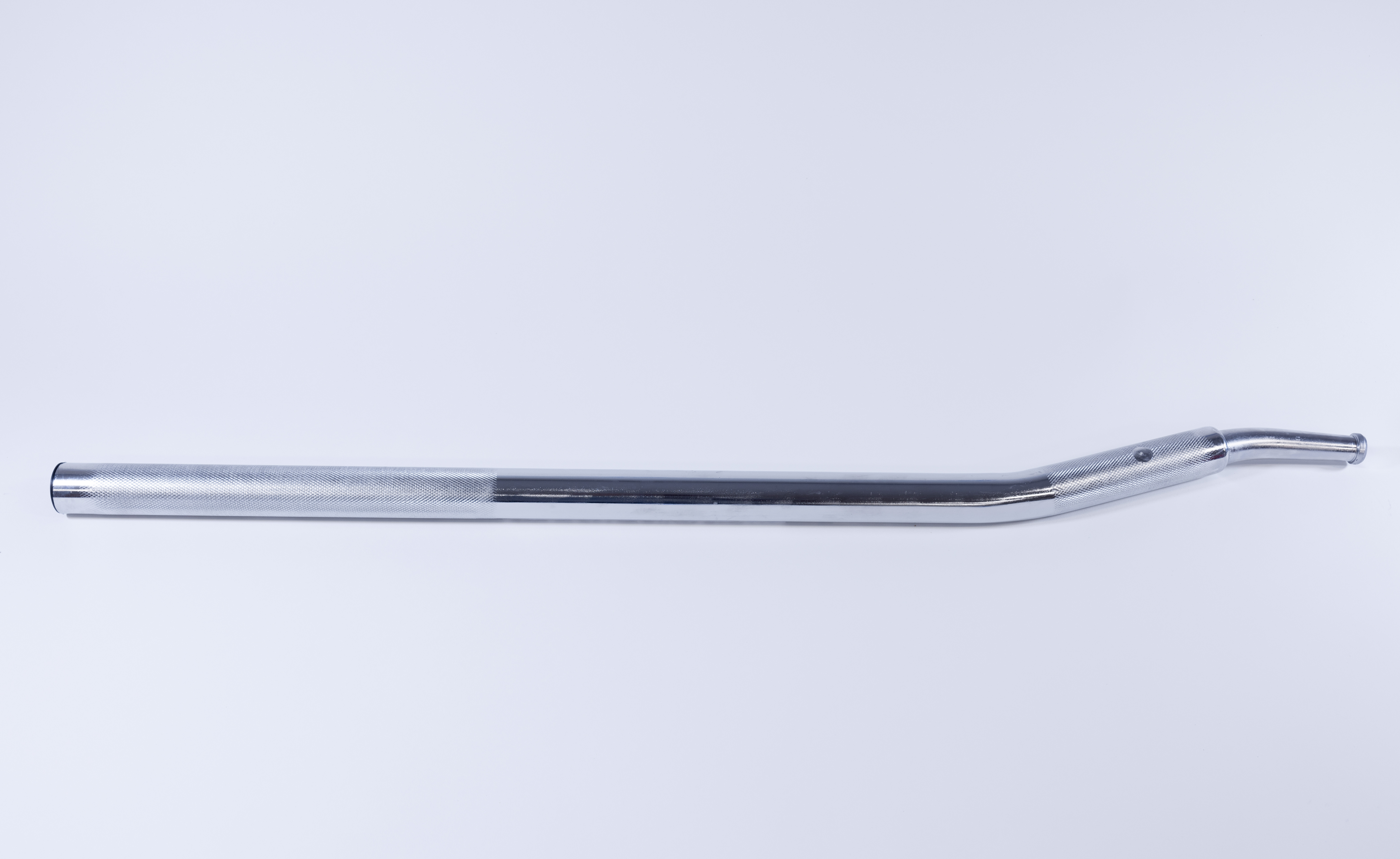
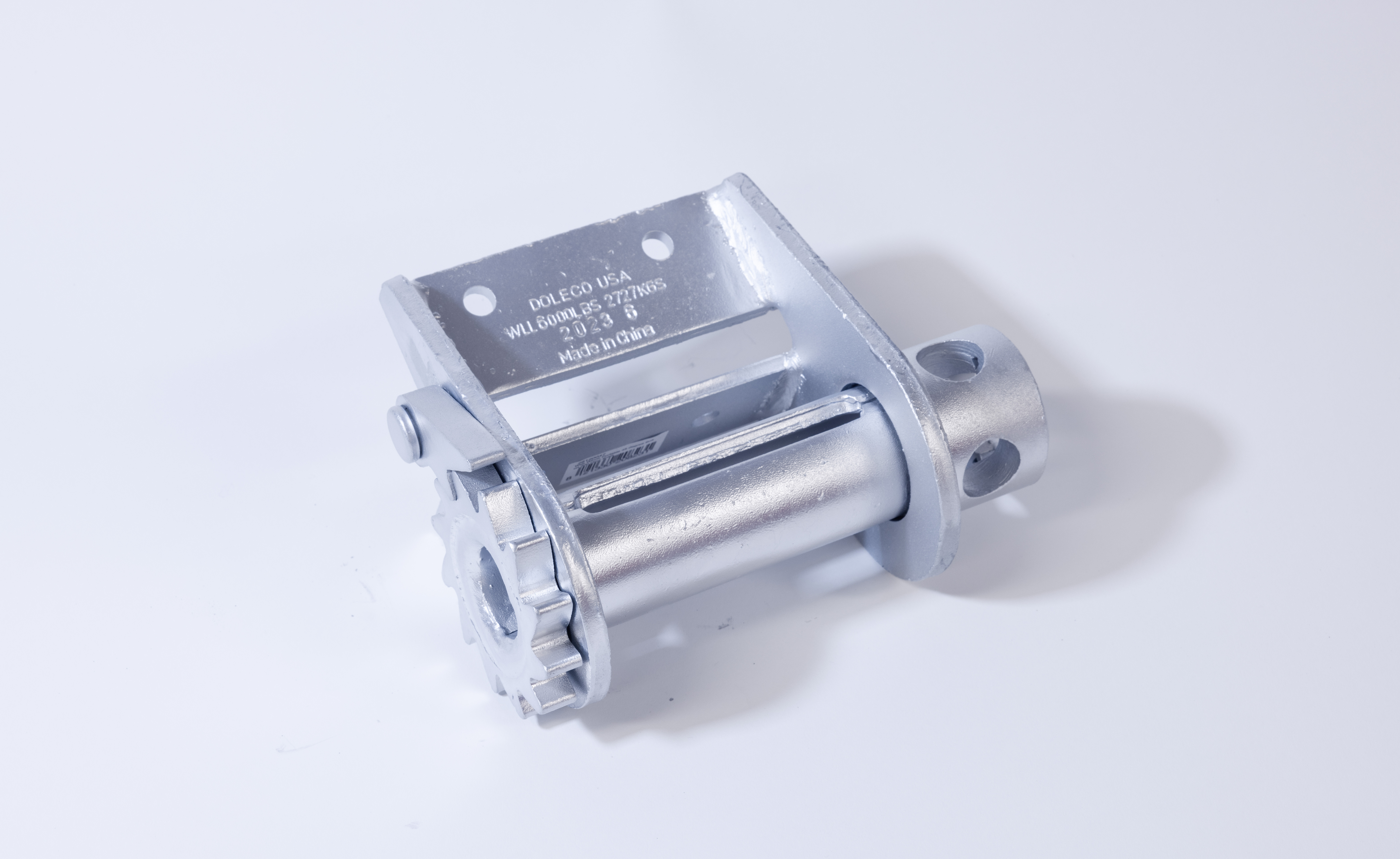
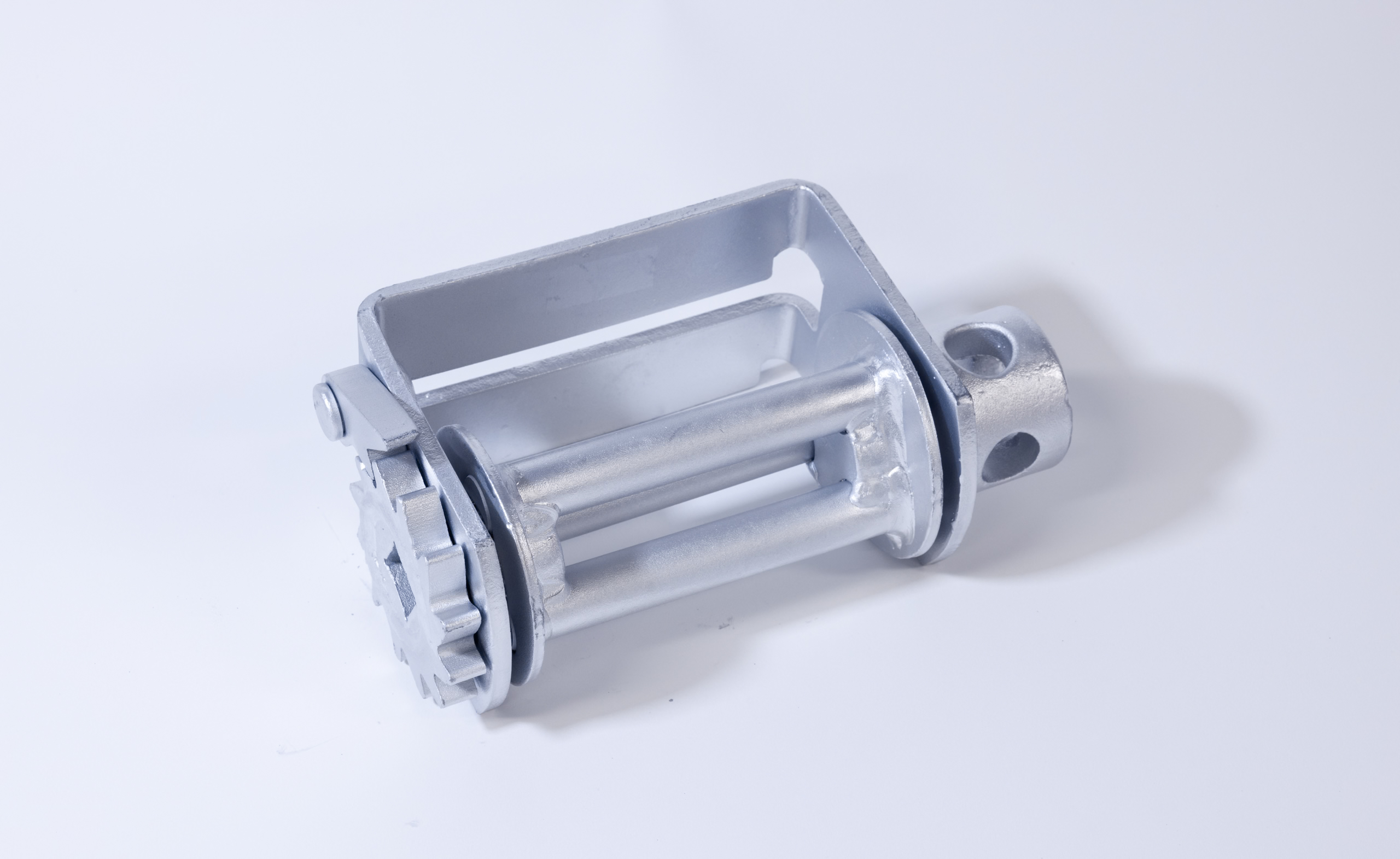
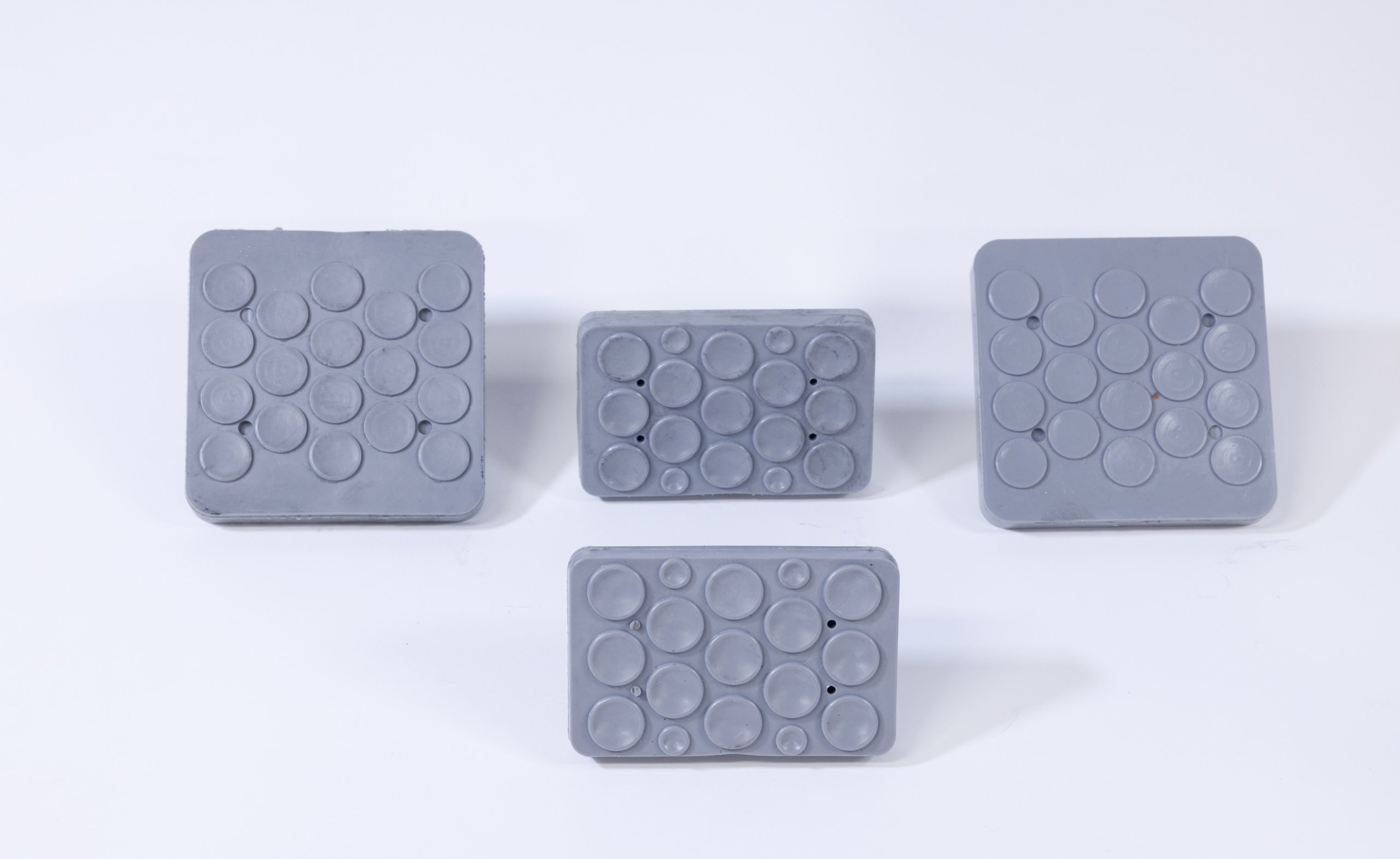
I posted a selection of some of the images and my makeshift studio setup with one of the more challenging products we shot. I hope my experience can help you if you ever step into industrial product photography.







 Home
Home 